Understanding Chickenpox: Symptoms, Treatment & Recovery
A beginner-friendly guide explaining chickenpox, its symptoms, treatment, complications, recovery, and common myths.
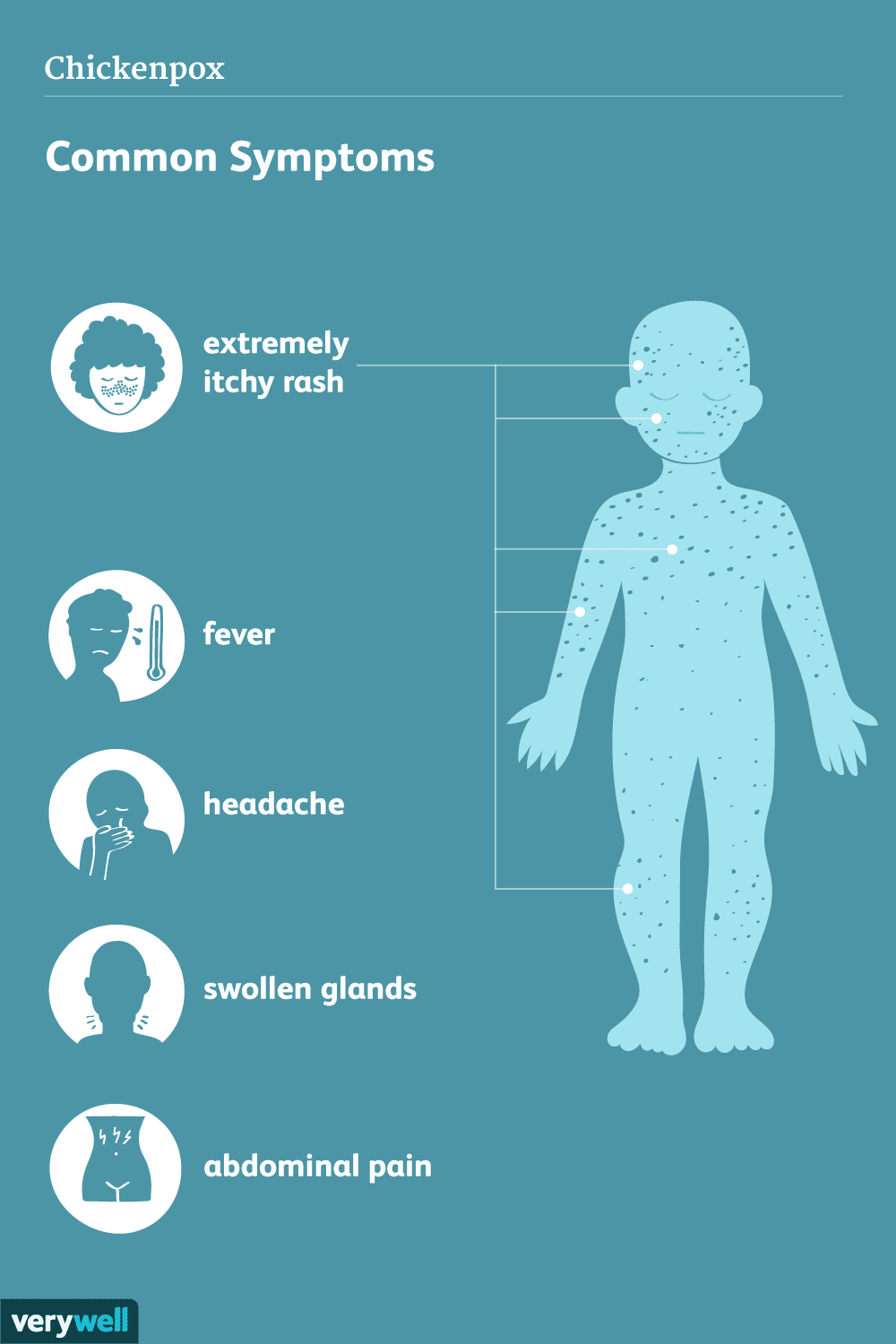
Chickenpox: Symptoms, Causes, Treatment, and Prevention
Chickenpox is a common viral infection that primarily affects children but can occur at any age. Although it is usually mild, understanding its symptoms, treatment, and prevention can help reduce complications and prevent its spread.
1. What is Chickenpox?
Chickenpox is a contagious viral disease characterized by an itchy rash with fluid-filled blisters. It is caused by the Varicella-Zoster Virus (VZV), a member of the herpesvirus family.
Most people recover within one to two weeks, but infants, pregnant women, adults, and individuals with weakened immune systems may experience more severe illness.
2. What Causes Chickenpox?
Chickenpox is caused by the Varicella-Zoster Virus (VZV).
After recovering from chickenpox, the virus remains dormant in the body's nerve tissues. Years later, it can reactivate and cause shingles (herpes zoster).
3. How Does Chickenpox Spread?
Chickenpox spreads easily through:
- Airborne droplets from coughing or sneezing
- Direct contact with blister fluid
- Contact with contaminated objects (less common)
A person is contagious from 1–2 days before the rash appears until all blisters have crusted over.
4. Symptoms
Common symptoms include:
- Fever
- Fatigue
- Headache
- Loss of appetite
- Itchy red rash
- Fluid-filled blisters
- Scabs that form as the blisters heal
Symptoms usually appear 10–21 days after exposure.
5. Stages of the Rash
The chickenpox rash develops in three stages:
Stage 1: Red Spots
Small red bumps appear on the face, chest, and back before spreading to the rest of the body.
Stage 2: Fluid-Filled Blisters
The bumps become itchy blisters filled with clear fluid.
Stage 3: Scabbing
The blisters burst, dry out, and form scabs.
It is common to have bumps, blisters, and scabs present at the same time.
6. Treatment
There is no specific cure for chickenpox. Treatment focuses on relieving symptoms.
Common recommendations include:
- Get plenty of rest
- Drink enough fluids
- Take fever-reducing medicines as advised by a healthcare professional
- Apply calamine lotion for itching
- Take lukewarm oatmeal baths
- Keep fingernails short to prevent skin infections from scratching
Antiviral medication may be recommended for people at higher risk of complications if started early.
7. Things to Avoid
Avoid the following while recovering:
- Scratching the blisters
- Sharing towels or personal items
- Going to school or work while contagious
- Hot showers that worsen itching
- Smoking or exposure to smoke
- Taking aspirin in children, unless specifically advised by a healthcare professional
8. Complications
Although most people recover fully, complications can occur, including:
- Skin infections
- Pneumonia
- Brain inflammation (encephalitis)
- Dehydration
- Bloodstream infections
Higher-risk groups include:
- Pregnant women
- Newborns
- Adults
- People with weakened immune systems
9. When to See a Doctor
Seek medical advice if:
- The fever lasts more than four days.
- The fever is very high.
- The rash spreads to the eyes.
- There is difficulty breathing.
- Severe vomiting occurs.
- There are signs of skin infection such as increasing redness, swelling, warmth, or pus.
- The person has a weakened immune system or is pregnant.
10. Common Myths
Myth: Chickenpox only affects children.
Fact: Adults can also get chickenpox and often experience more severe illness.
Myth: Once the rash appears, the disease is no longer contagious.
Fact: A person remains contagious until every blister has formed a crust.
Myth: Antibiotics cure chickenpox.
Fact: Antibiotics do not treat viral infections. They are only used if a bacterial infection develops.
Myth: Everyone should get chickenpox naturally.
Fact: Vaccination provides protection without the risks associated with the disease.
11. Frequently Asked Questions
Can adults get chickenpox?
Yes. Adults who have never had chickenpox or the vaccine can become infected.
How long does chickenpox last?
Most people recover within 7–10 days, although complete healing may take up to two weeks.
Can someone get chickenpox twice?
It is uncommon, but it can happen.
Is there a vaccine?
Yes. Vaccination is the most effective way to prevent chickenpox.
Can I shower during chickenpox?
Yes. Gentle lukewarm showers can help keep the skin clean and reduce discomfort.
12. Final Thoughts
Chickenpox is usually a mild illness, but it can lead to serious complications in certain individuals. Recognizing the symptoms early, managing the infection appropriately, and following medical advice can help ensure a smooth recovery.
Vaccination remains the most effective way to reduce the risk of infection and protect vulnerable individuals. If you or your child develops severe symptoms or belongs to a high-risk group, consult a healthcare professional promptly.